Training

Two tracks, one heart. Learn to host a Table Talk in your city, church, or workplace — or learn to engage one-on-one in everyday conversations where the gospel becomes a natural part of life.

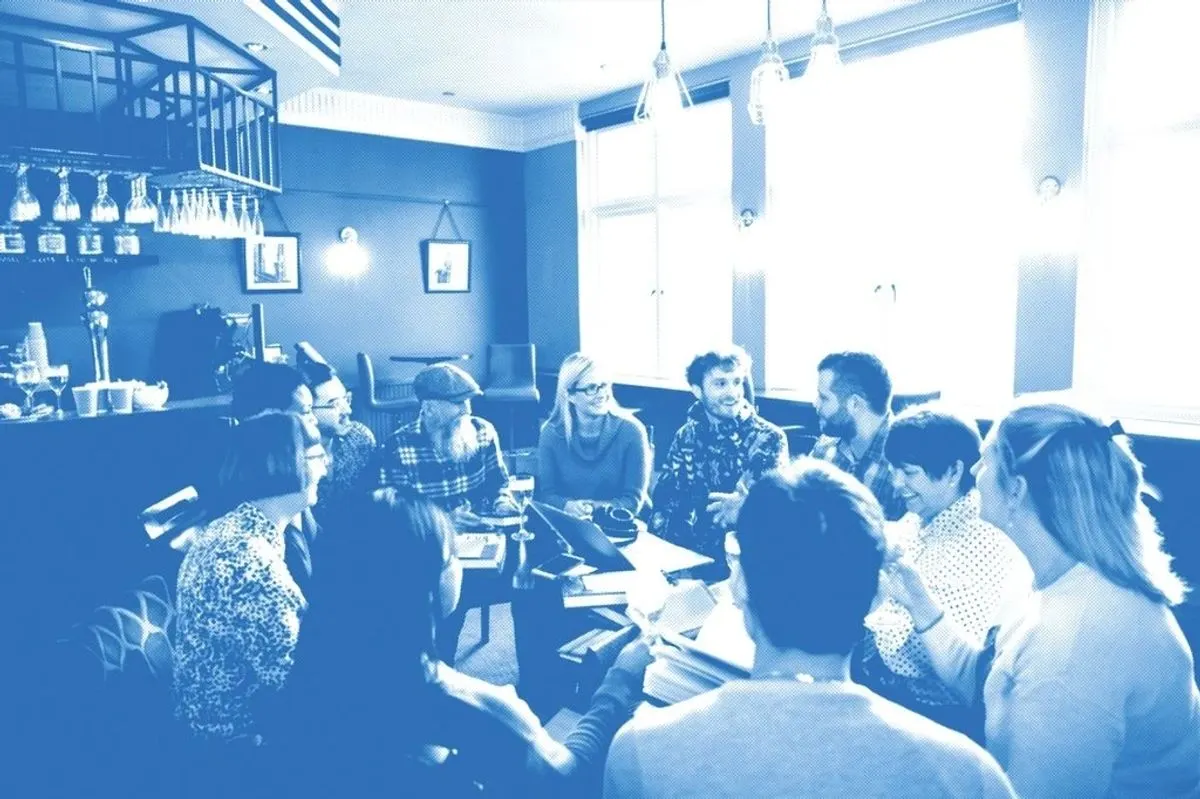
A host leading a Table Talk conversation around a table

You don't need a seminary degree to lead a meaningful conversation. You don't have to be an extrovert. You don't need a script. You just need to love Jesus, be intentional with the people already around you, and have a pathway to conversation to get there — that's what this training is.

The best training isn't a video course or a content download. It's a real Table Talk you participate in, watching how the conversation unfolds, and then walking back through it with Nate to understand what was happening underneath. That's how this is taught — whether you're hosting a group of twelve or sitting across from one friend at a coffee shop.

Two tracks, one heart

Choose Where to Begin

Both tracks share the same relational core — patient questions, attentive listening, natural gospel connection. They meet you in different places.

The heart of the training

Table Talk Is Best Experienced Before It Is Led

There is a major difference between hearing someone explain conversational engagement and actually sitting at the table watching it happen. One of the most important parts of training is experiencing what healthy facilitation looks and feels like — watching conversations unfold naturally, observing how discussions are guided, how questions are asked, and how deeper spiritual conversations happen without pressure or forcing the moment.

After the live experience, Nate walks participants back through the process. He explains what he was thinking during the discussion, why certain questions were asked, how tension or disagreement was handled, how quieter personalities were included, and how the gospel was connected naturally within the conversation.

"Table Talk is best experienced before it is led."
Track 1 · Host training

What You'll Learn as a Host

If a Table Talk were a pool, you'd want a host who knows how to invite people in at the shallow end and guide them gracefully into the deep. Host Training is built around the art of facilitating that kind of discussion.

The 4 Hearts of Table Talk

The convictions behind why this works in post-Christian culture, and how to embody each one as a host.

  • Burdened

    A heart that aches for people who feel unseen, unheard, or far from God — the posture that fuels every Table Talk.

  • Missional

    Living on purpose in the places people already gather, treating ordinary tables as sacred ground for the gospel.

  • Relational

    Slow, patient, present — leading with curiosity instead of agenda, and prioritizing the person over the point.

  • Hopeful

    Believing the Spirit is already at work in the room, and trusting that honest conversation makes space for him to move.

J.U.M.P — How to Open a Table Talk

A simple framework for opening every Table Talk well — the art of inviting people into the shallow end of the conversation so they feel safe enough to wade deeper together.

  • J

    Joyful

    Set the tone by welcoming everyone to the table with warmth and energy, and lead introductions well.

  • U

    Understand

    Cast vision so participants understand why Table Talk exists and what makes the conversation different.

  • M

    Maximize

    Get the most from the conversation by reading the Guidelines aloud and protecting every voice at the table.

  • P

    Prepare

    Start with a broad introduction and an easy "shallow end of the pool" question that lets everyone wade in and participate freely.

S.W.I.M — How to Hold the Conversation

The art of holding a discussion once people are in the water — listening closely, protecting every voice, and guiding the conversation gracefully from the shallow end toward the deep.

  • S

    Safe

    Read and enforce the Guidelines. Mirror people's emotions. Make sure no one dominates and no one gets shut down.

  • W

    Wise

    Avoid the temptation to correct or teach. Watch the time. When a complex question would derail the night, table it gracefully for a follow-up conversation.

  • I

    Invite

    Deepen the conversation. Listen closely for the heart behind what's said, ask for elaboration, and give those who haven't spoken yet a chance to share.

  • M

    Move

    Address each scripted question thoroughly, invite unscripted questions, and transition naturally to the next.

The Science of Asking Questions and Listening Well

How to write three to five scripted questions per night that move from the "shallow end" to the gospel connection point, and how to listen for what's underneath the answers. Modeled on the way Jesus asked questions to reveal the heart, then listened. Jesus asked 307 questions in the gospels. He directly answered fewer than 10.

12 Starter Discussion Topics

Pre-built scripts for the topics every Table Talk eventually needs: anxiety, conflict, hypocrisy, suffering, love, fear, peace, justice, truth, human nature, acceptance, and depression. More topics will be released over time.

Browse the 12 starter topics
Track 2 · Conversation training

Evangelism for Everyday Conversations

Maybe you're not ready to host a monthly group, but you still want to live more intentionally in your everyday relationships. The workplace, the school pickup line, your neighborhood, the gym, the coffee shop — these are the places where most of life actually happens.

Conversation Training is for the everyday Christian who wants to bring people to the table — even a table for two — and learn how to turn ordinary moments into meaningful conversations where the gospel naturally finds its way in.

Two friends in a one-on-one conversation at a coffee shop
What you'll learn

The Skills Underneath Every Meaningful Conversation

Taught the way Jesus engaged: through questions, presence, and patient listening.

Ask thoughtful questions

Move past small talk and invite people into the real story of their life.

Listen with genuine care

Practice attentive, curious listening — hearing not just what is said, but the heart behind it.

Create space that feels safe

Build the kind of presence where people feel heard and valued, even when beliefs differ.

Engage worldview and belief

Step into spiritual and worldview conversations naturally and respectfully — without pressure or argument.

Connect the gospel honestly

Tie the gospel to everyday life in a way that is genuine, not forced or formulaic.

Invite people to the table

Move from surface acquaintance to meaningful one-on-one conversation across diverse backgrounds.

Build trust over time

Develop relational depth through intentional engagement — the slow, sustainable kind of evangelism that lasts.

The process

How Training Actually Happens

Whenever possible, training is in-person. It can happen in a coffee shop, brewery, restaurant, cigar lounge, church, or wherever Nate and your team can gather. While trainings may sometimes happen inside church environments, Table Talk discussions themselves are designed for public spaces where everyday people naturally gather and feel comfortable.

Training is not meant to be rushed, copied quickly, or treated like a short-term program. The goal is not simply to launch another event. The goal is to build healthy conversational culture, sustainable rhythms of engagement, strong facilitators, and genuine community over time. That requires intentionality, patience, practice, and relational investment.

Three contexts

Training Adapts to Your Context

Every city, organization, and church is unique. Learn how to adapt Table Talk where you want to go.

Outreach in Your City

Training Christian hosts to launch and sustain a monthly Table Talk in their own community — a brewery, coffee shop, or any public space where people already gather.

Inside Your Organization

Training leaders to host Table Talk-style discussions in workplaces, leadership teams, and organizations — for communication, conflict, culture, ethics, and emotional intelligence.

Inside Your Church

Training pastors and leaders to use Table Talk inside the church — creating safe space for hard topics like grief, doubt, divorce, parenting, forgiveness, culture, ethics, political tension, and current events.

One framework. Two tracks. Three contexts. The same patient, relational core.

Built for

Who Training Is For

Individual Christians who want to host a Table Talk in their city — at their local brewery, coffee shop, or favorite public space.

Everyday believers wanting to engage one-on-one with the people already in their life: coworkers, neighbors, gym friends, classmates.

Pastors and outreach leaders who want to bring Table Talk to their church as a recurring evangelism rhythm.

Church planters and missionaries looking for a culturally relevant on-ramp for unchurched people.

Organizational leaders and managers wanting to build healthier team communication and culture.

Introverts and extroverts both — the model is designed for both wirings.

Begin

Ready to take the next step?

Tell us your context — your city, church, organization, or the people already in your everyday life — and we'll figure out the best track and the best way to get started together.